فارسی
فارسی
 EN
EN
Beyond Helmets: The Human Side of Workplace Safety
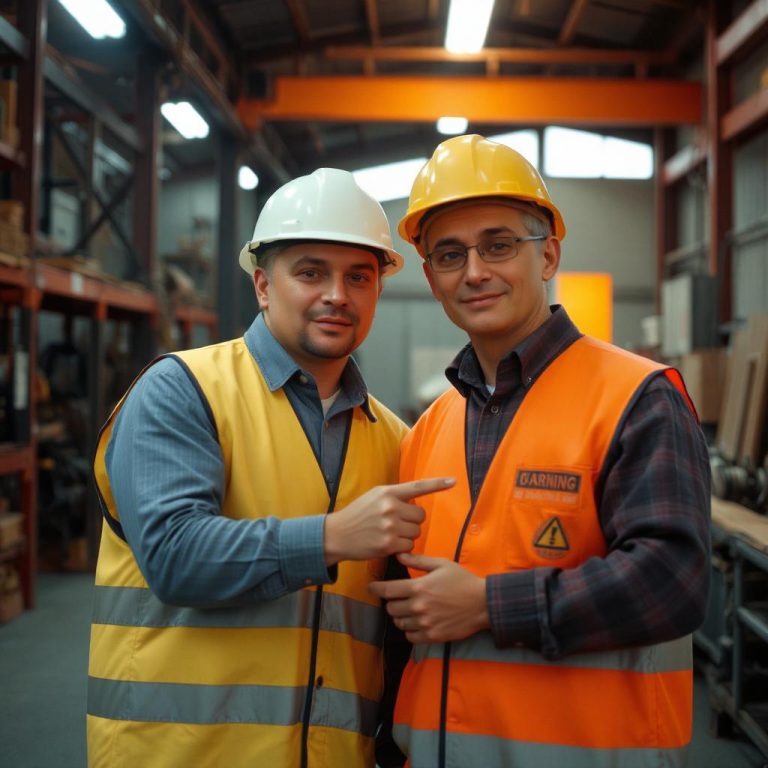
When people hear “workplace safety,” they often think of helmets, gloves, or protective eyewear. While these are essential, true safety runs deeper. It’s not just about equipment—it’s about mindset, culture, and care for human life.
1. Safety Begins with Awareness
No piece of equipment can protect a worker who is unaware. Recognizing hazards, staying alert, and understanding procedures are the first layers of safety that live in the mind—not on the body.
2. Culture Over Compliance
Many workplaces enforce safety rules, but only those that build a culture of safety truly succeed. When workers feel responsible not just for themselves but for each other, safety becomes part of the daily rhythm.
3. Communication Saves Lives
Clear, honest communication between teams prevents accidents. Workers who feel heard and supported are more likely to report issues and speak up about unsafe conditions—long before they cause harm.
4. Training That Sticks
Safety training shouldn’t be a one-time box to tick. Ongoing, engaging sessions—built on real stories and lived experiences—are far more effective than generic slideshows. At Katizan Sanat, we believe that real training means real impact.
5. Empathy at the Core
Behind every safety rule is a human life. When companies and workers alike adopt a mindset of empathy—thinking of coworkers as family—the result is not just fewer injuries, but stronger teams.
Safety isn’t a checklist—it’s a culture. — Katizan Sanat