
The Art of Maintenance: How to Make Your Tools Last a Lifetime
In every workshop, tools are more than instruments—they are investments, partners, and extensions of the craftsperson’s hands. But no matter how advanced or expensive, every tool has one shared enemy: neglect. Proper maintenance isn’t just about cleanliness—it’s an art, a discipline, and a sign of professionalism.
1. Daily Care is Non-Negotiable
Whether you’re working with manual tools, electric drills, or precision cutting gear, regular daily care can make a world of difference. Wipe down tools after every use, remove dust or debris, and return them to their proper place. These small actions preserve functionality and show respect for your workspace and profession.
2. Understand Your Tools’ Needs
Each tool is unique. Some need lubrication, others need periodic sharpening or battery management. Understanding the material, mechanics, and purpose of each tool helps in designing a personalized maintenance schedule. At Katizan Sanat, we provide guides for every product we release—because knowledge is the first step toward care.
3. Storage Affects Lifespan
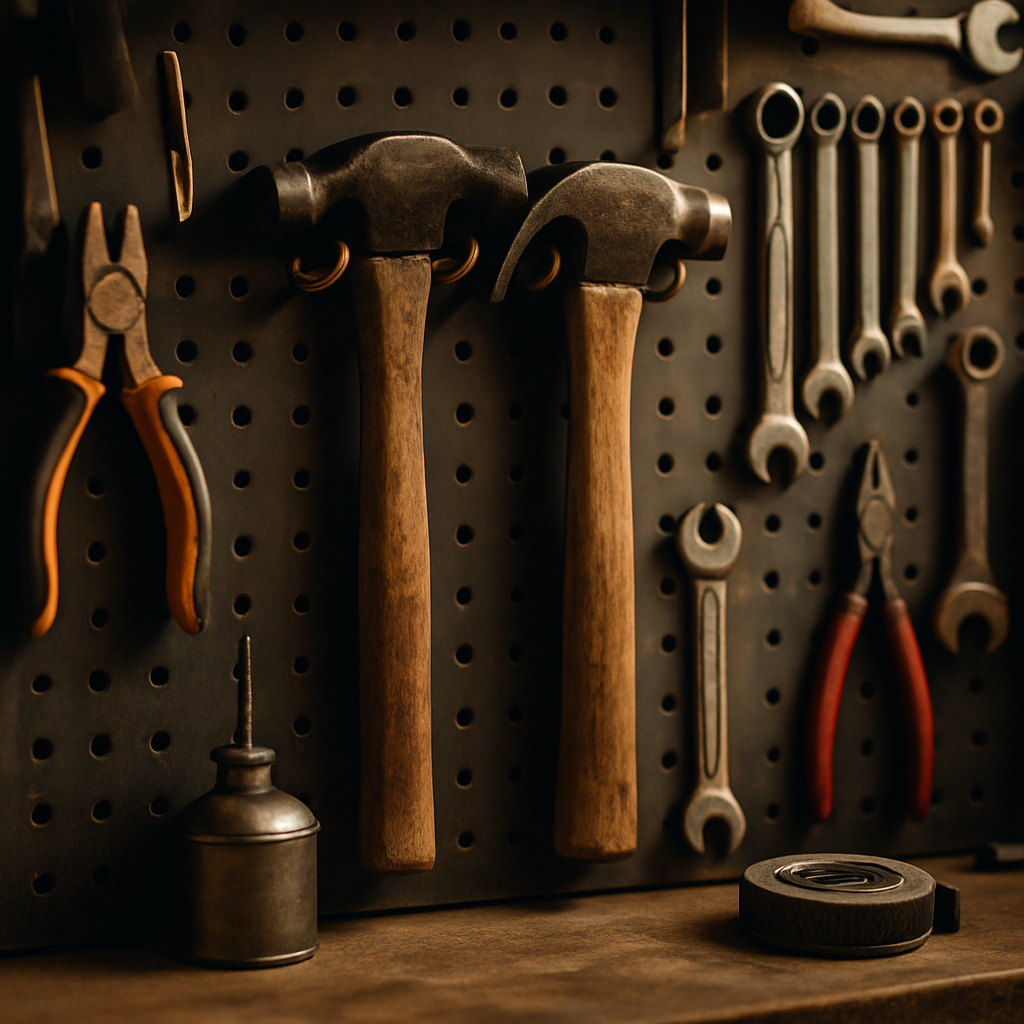
Even a well-maintained tool can degrade if stored incorrectly. Avoid humid environments, exposure to direct sunlight, or placing tools on rough surfaces. Toolboxes with cushioned interiors or wall-mounted racks help protect against damage and misplacement. Smart storage is protective, efficient, and a time-saver.
4. Inspect Before and After Use
Make it a habit to inspect your tools both before and after use. Look for signs of wear, cracks, loose parts, or rust. Early detection of problems can prevent accidents and costly replacements. For power tools, check cords, switches, and power levels to ensure safety and performance.
5. Scheduled Deep Cleaning
In addition to quick daily cleanups, tools benefit from occasional deep cleaning. This may include oiling, rust removal, recalibration, or replacing worn components. Scheduling this once a month—or after a particularly heavy use period—can restore tools to peak condition.
6. Training Makes a Difference
Often, damage occurs not because tools are bad—but because users lack proper handling techniques. Providing training for team members ensures that every person in the workshop respects the tools and uses them correctly. At Katizan Sanat, tool care is part of every onboarding session for new workers.
7. When to Let Go
Even with the best care, tools don’t last forever. Knowing when to retire a tool is as important as knowing how to maintain it. A cracked chisel or a drill with compromised insulation can become a hazard. Replace responsibly, and recycle whenever possible.
Take care of your tools, and they’ll take care of your craft. Excellence begins with respect. — Katizan Sanat
